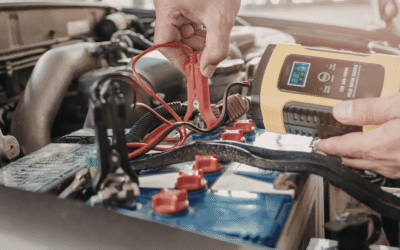
Understanding battery types and terms is essential for businesses managing fleets, logistics operations, or automotive services. Choosing the wrong battery—or misunderstanding specifications—can lead to poor performance, frequent replacements, and unnecessary costs.
For fleet managers and business owners, batteries are not one-size-fits-all. Different vehicle types, usage patterns, and operating conditions require specific battery types. At the same time, technical terms like CCA, Ah, and reserve capacity can be confusing without proper context.
This guide breaks down the most important battery types and terms in a simple, practical way—so you can make better decisions and keep your operations running smoothly.
Common Battery Types Used in Fleets
Flooded Lead-Acid Batteries
These are the most common and cost-effective batteries used in standard vehicles.
Best for:
- Light vehicle fleets
- Budget-conscious operations
Limitations:
- Shorter lifespan under heavy use
- Requires more maintenance
AGM (Absorbent Glass Mat) Batteries
AGM batteries are designed for higher performance and durability.
Best for:
- Start-stop vehicles
- Delivery fleets
- High electrical demand vehicles
Advantages:
- Longer lifespan
- Better vibration resistance
- Faster charging
EFB (Enhanced Flooded Batteries)
EFB batteries are an upgrade from standard flooded batteries.
Best for:
- Moderate fleet use
- Vehicles with basic start-stop systems
They offer better durability without the higher cost of AGM batteries.
Heavy-Duty Truck Batteries
Designed for larger vehicles and demanding applications.
Best for:
- Trucks
- Buses
- Construction equipment
These batteries are built to handle higher loads and longer operating hours. Businesses can ensure proper coverage through a truck battery supplier.
Key Battery Terms You Should Know
CCA (Cold Cranking Amps)
CCA measures a battery’s ability to start an engine in cold conditions.
Higher CCA means:
- Stronger starting power
- Better performance under load
For fleets, choosing the correct CCA ensures reliable startup.
Ah (Ampere-Hour)
Ah indicates how much energy a battery can store.
Higher Ah means:
- Longer usage time
- Better support for electrical components
This is important for vehicles with high power demand.
Reserve Capacity (RC)
RC measures how long a battery can run essential systems if the alternator fails.
Higher RC provides:
- Backup power
- Added reliability during emergencies
Choosing the Right Battery for Your Business
Match Battery Type to Usage
Different operations require different battery solutions:
- Delivery fleets → AGM or EFB
- Passenger vehicles → Flooded batteries
- Trucks → Heavy-duty batteries
Using the wrong type can lead to faster wear and reduced performance.
Consider Operating Conditions
Factors that affect battery choice:
- Traffic conditions (frequent stop-start)
- Climate and heat exposure
- Daily usage hours
Businesses operating in heavy traffic areas need more durable battery options.
Quick Battery Selection Checklist
Use this checklist when selecting batteries:
- Choose the correct battery type (Flooded, AGM, EFB)
- Check required CCA rating
- Match Ah capacity to vehicle usage
- Consider fleet operating conditions
- Ensure compatibility across vehicles
- Work with a reliable bulk car battery supplier
For delivery-focused operations, a battery supplier for delivery fleets ensures faster supply and support.
Business Impact of Choosing the Right Battery
Improved Reliability
Correct battery selection reduces:
- Breakdowns
- Startup issues
- Emergency replacements
Lower Long-Term Costs
Using the right battery type helps:
- Extend battery lifespan
- Reduce maintenance frequency
- Optimize replacement cycles
Better Fleet Performance
Reliable batteries ensure:
- Consistent vehicle availability
- Smooth operations
- Improved service delivery
Working with a trusted fleet battery supply partner helps businesses manage these factors effectively.
Conclusion: Make Smarter Battery Decisions
Understanding battery types and terms allows businesses to make informed decisions that improve reliability and reduce costs.
Instead of choosing based on price alone, consider performance, usage, and long-term value. The right battery—and the right supplier—can make a significant difference in your operations.
Get Reliable Battery Supply for Your Business
Ensure your fleet uses the right battery types with consistent supply and expert support.
Get reliable solutions tailored for your business needs.