Recognizing battery replacement indicators early is critical for businesses managing vehicles. Waiting for complete failure can lead to unexpected downtime, delayed operations, and lost revenue.
For fleet managers and business owners, batteries should be monitored proactively—not reactively. A weak battery may still function today but fail at the worst possible moment.
Understanding the early warning signs helps businesses avoid disruptions and maintain consistent operations.
Common Battery Replacement Indicators
Slow Engine Crank
One of the first signs is a slow or delayed engine start. This indicates the battery is losing its ability to hold charge.
Frequent Jump Starts
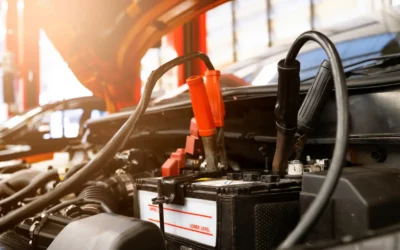
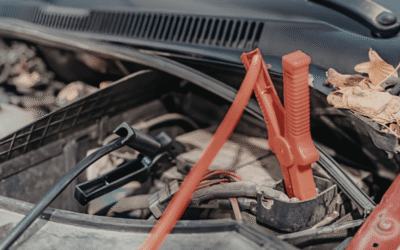
If vehicles require repeated jump starts, the battery is already near failure and should be replaced immediately.
Dashboard Warning Light
A battery or charging system warning light is a clear signal that something is wrong and needs attention.
Operational Signs in Fleet Use
Electrical Issues
Dim headlights, weak air conditioning, or malfunctioning electronics often point to battery problems.
Recurring Issues Across Vehicles
If multiple vehicles show similar symptoms, it may indicate aging batteries across your fleet—especially if installed at the same time.
Quick Fleet Checklist
Use this checklist to identify replacement needs:
- Battery older than 12–24 months (fleet usage)
- Slow engine start
- Frequent jump starts
- Electrical performance issues
- Warning lights on dashboard
Regular monitoring helps prevent unexpected failures.
Business Impact of Ignoring Warning Signs
Ignoring battery issues can result in:
- Vehicle downtime
- Delayed deliveries
- Increased maintenance costs
- Reduced customer satisfaction
For businesses, even one breakdown can affect daily operations.
Get Reliable Battery Supply for Your Business
Avoid unexpected breakdowns and keep your fleet running efficiently.
Ensure fast delivery, reliable supply, and professional support.